
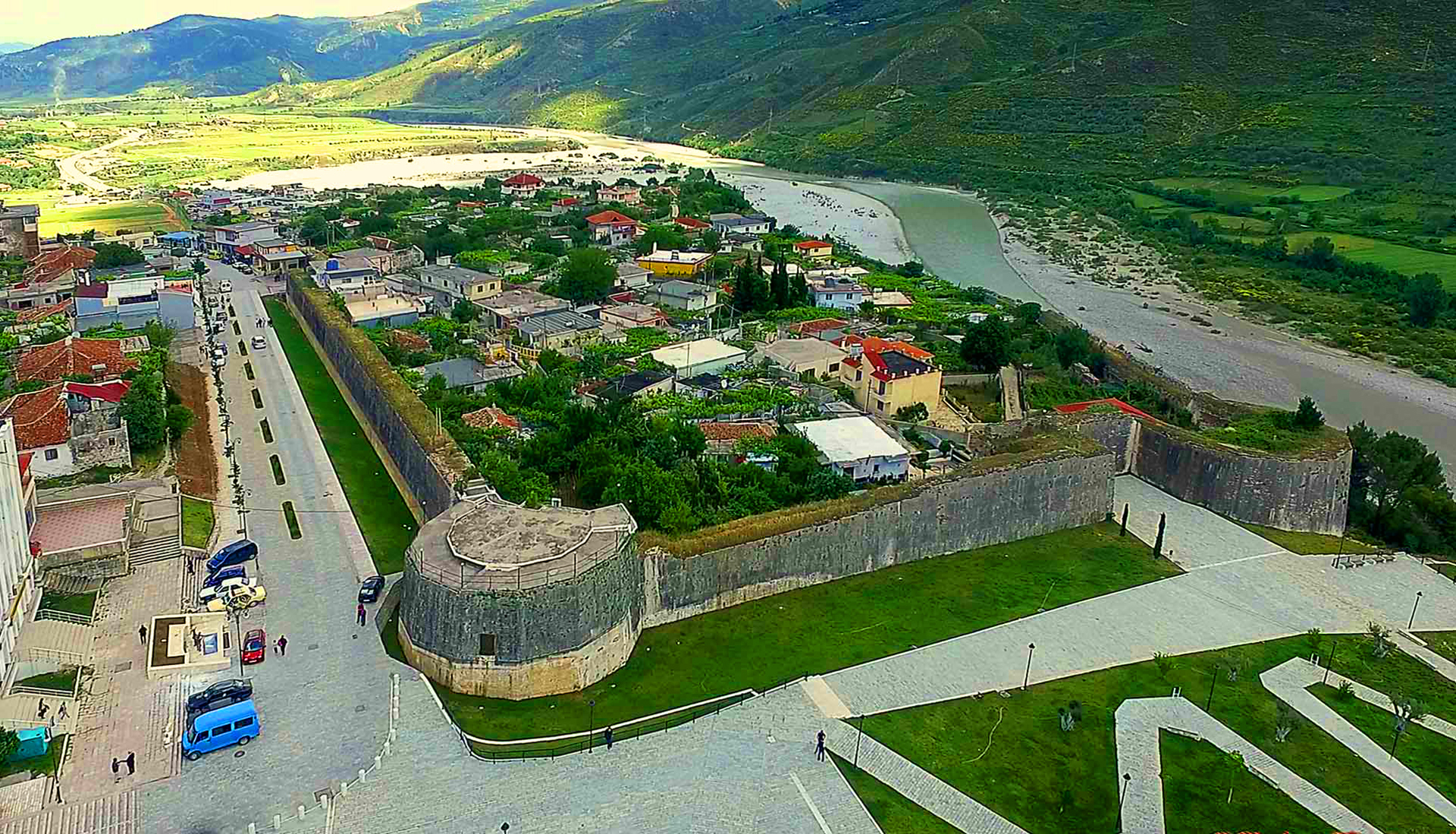
Wild rivers, deep canyons and the castle of Ali Pasha – welcome to Tepelenë, where the Vjosa and Drino meet
Last updated: November 2026
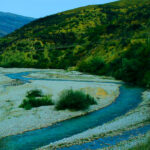
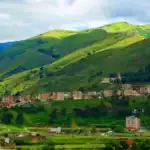
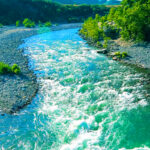
Tepelenë is a small town on a high plateau above the place where the Drino River flows into the Vjosa, one of the last wild rivers of Europe. Surrounded by mountains, canyons, cold springs and waterfalls, it is a wonderful base for nature lovers, rafters and hikers, and the gateway to the proud mountain region of Kurvelesh.
At Qesarat, in the Vjosa valley near the town, a 4th-century building complex with six polychrome mosaic floors was uncovered in 2026.
History & Culture
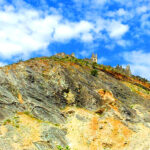
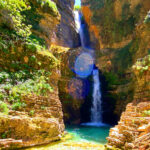
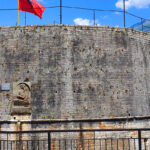
Tepelenë is the birthplace of Ali Pasha Tepelena, one of the most powerful rulers of the Balkans in the late 18th and early 19th centuries, and the walls of the castle he rebuilt still stand above the river. The Kurvelesh region around the town is known for its iso-polyphonic songs, part of the Albanian folk heritage recognised by UNESCO. Near the town, the Bënça River is crossed by old stone bridges, while the Këlcyrë Gorge, carved by the Vjosa, holds springs, waterfalls and a small castle. In 2023 the Vjosa became the first Wild River National Park in Europe, protecting its free-flowing waters and rich nature.
Things to do in Tepelenë
Gallery
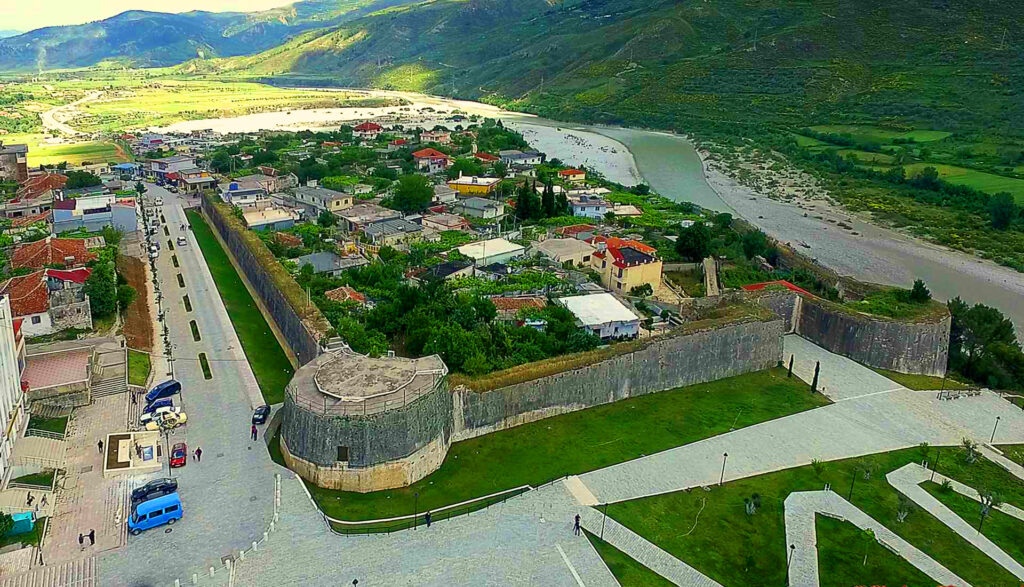
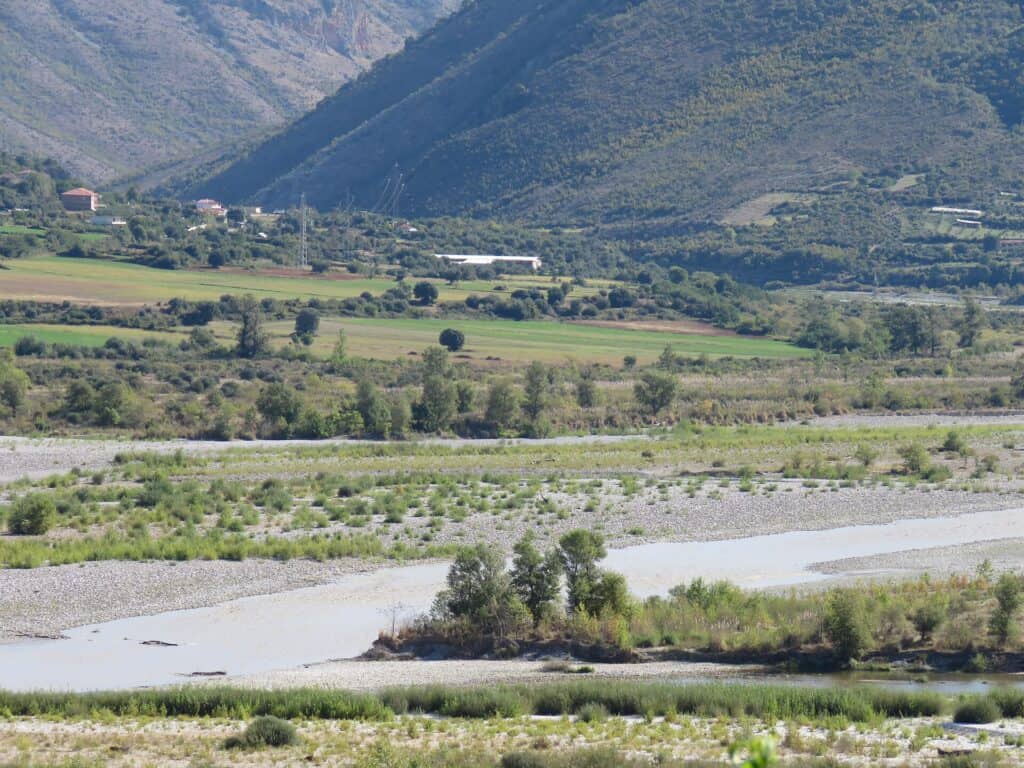
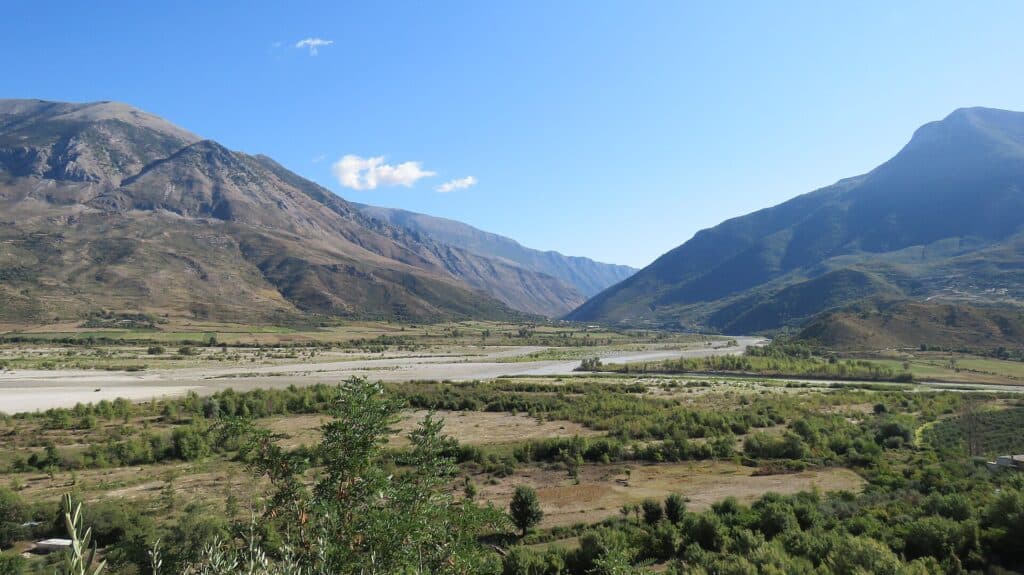
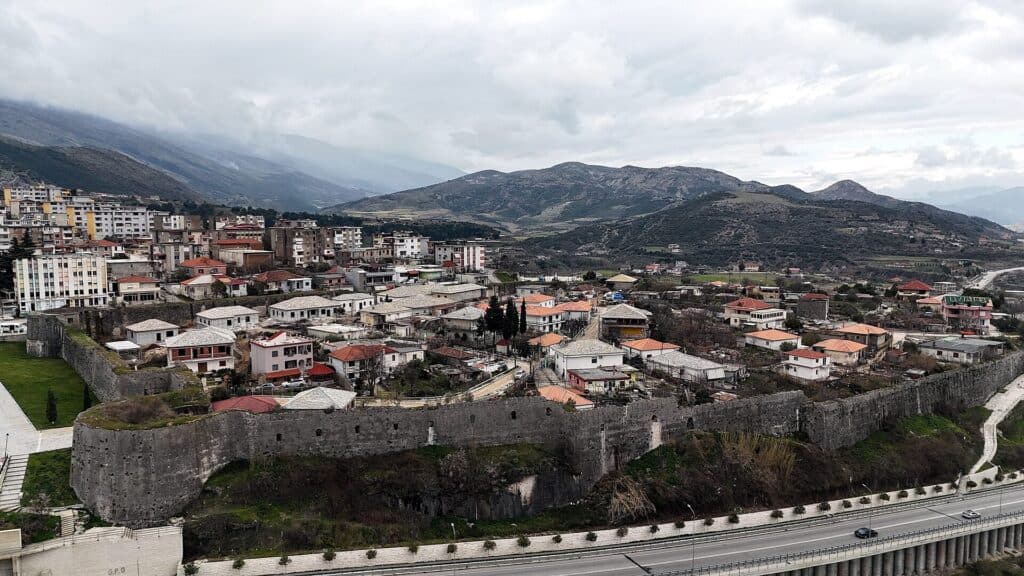
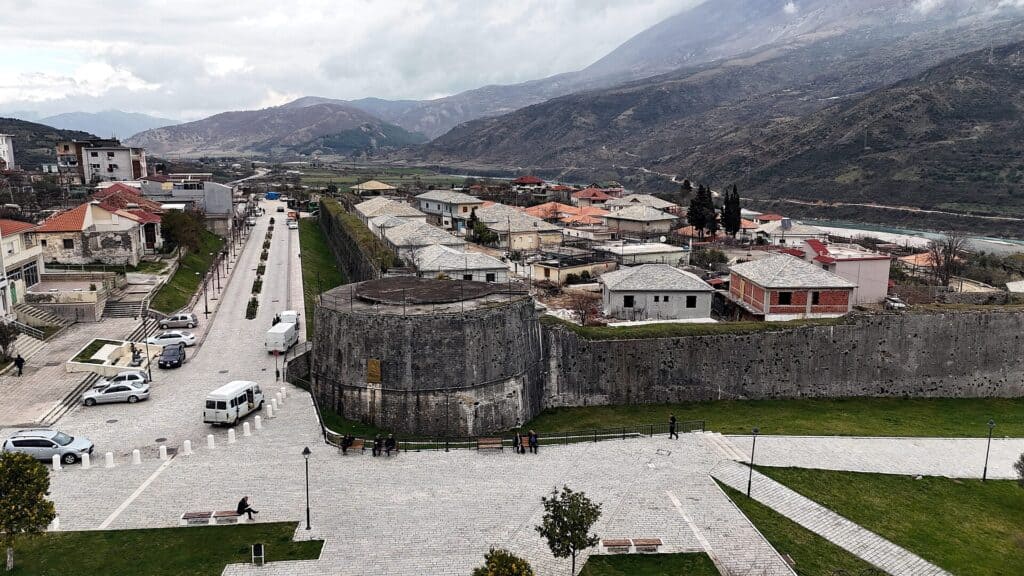
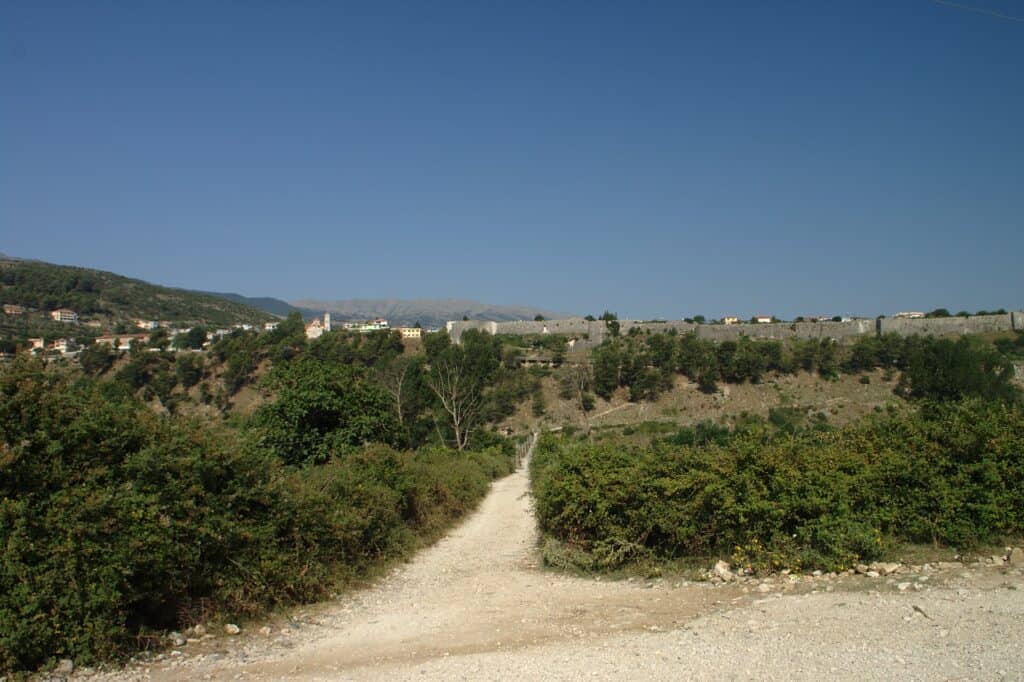
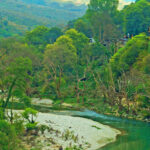
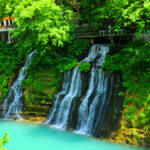
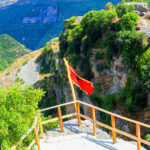
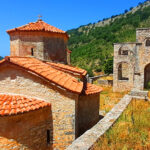
Photos: Calistemon (CC BY-SA 4.0); Arianit (CC BY-SA 4.0); I would appreciate being notified if you use my work outside (CC BY 4.0) – via Wikimedia Commons
Nature & Parks
Food & Drink
Tepelenë’s food is the simple, delicious cuisine of the southern mountains. Try roasted lamb and kid goat, fresh mountain cheese and yoghurt, byrek with wild greens, pispili (cornbread with greens) and fresh trout from the cold rivers. Local honey, mountain herbs and homemade raki complete the table, while water from the cold springs of Tepelenë is bottled and sold across Albania.
Tepelenë is a quiet town with a relaxed atmosphere. The cafés in the centre and around the castle are the meeting point for locals. Along the Vjosa and the Bënça River, and near the springs on the road to Gjirokastër, small restaurants and taverns serve grilled meat and fresh fish in a green, cool setting by the water.
Frequently Asked Questions
What else can I visit near Tepelenë?
Nearby places on Albania Tourism: Bënça River (about 4 km), Dragot (about 4 km), Tekke of Baba Aliu (about 4 km), Bënça (about 5 km). Distances are in a straight line.
How much time do I need in Tepelenë?
A few hours are enough for the town; most visitors stop on the way to Gjirokastër or Përmet.
What was discovered at Qesarat near Tepelenë?
In 2026 an Albanian-Italian team uncovered a building complex of the 4th century AD with six polychrome mosaic floors – geometric patterns and human figures – and fragments of wall paintings. Qesarat lies in the Vjosa valley near Tepelenë and was a large settlement of the Late Roman period. The site is not yet set up for visitors.
Is Tepelenë safe for visitors?
Yes, Tepelenë is generally safe. Take the usual care with valuables and be careful in traffic.
Practical Information
Getting there
- From Tirana: About 2 hours 40 minutes by car, on the main road to Gjirokastër.
- Bus: Buses towards Gjirokastër and Sarandë pass through Tepelenë.
Getting around
- Car: The easiest way to explore the Vjosa valley.
Where to stay
- Base: A few hotels in town; Gjirokastër and Përmet have more choice.
Weather & seasons
- Summer: Hot, with July and August days often above 30 °C.
- Winter: Mild but wet, with cold nights.
- Best time: April–June and September–October.
Money & connectivity
- Cash: Carry cash in lek – many cafés, guesthouses and small shops do not take cards.
- ATMs: There are ATMs in the town centre; withdraw cash before heading into the villages.
- Mobile data: 4G works in town; the signal can drop in remote valleys.
Your Albania trip, arranged by locals
Share your plans with us and we'll help you organise everything for a smoother, more relaxed holiday.